Rohit didn’t wake up one morning wanting a loan. He woke up wanting a solution.
His sister’s wedding was three months away. His father’s back pain needed treatment. And his small trading business had a payment stuck with a buyer. Three needs, one common theme: money was required now, but income would come later.
That’s usually how borrowing begins in real life. Not as a financial product, but as a bridge.
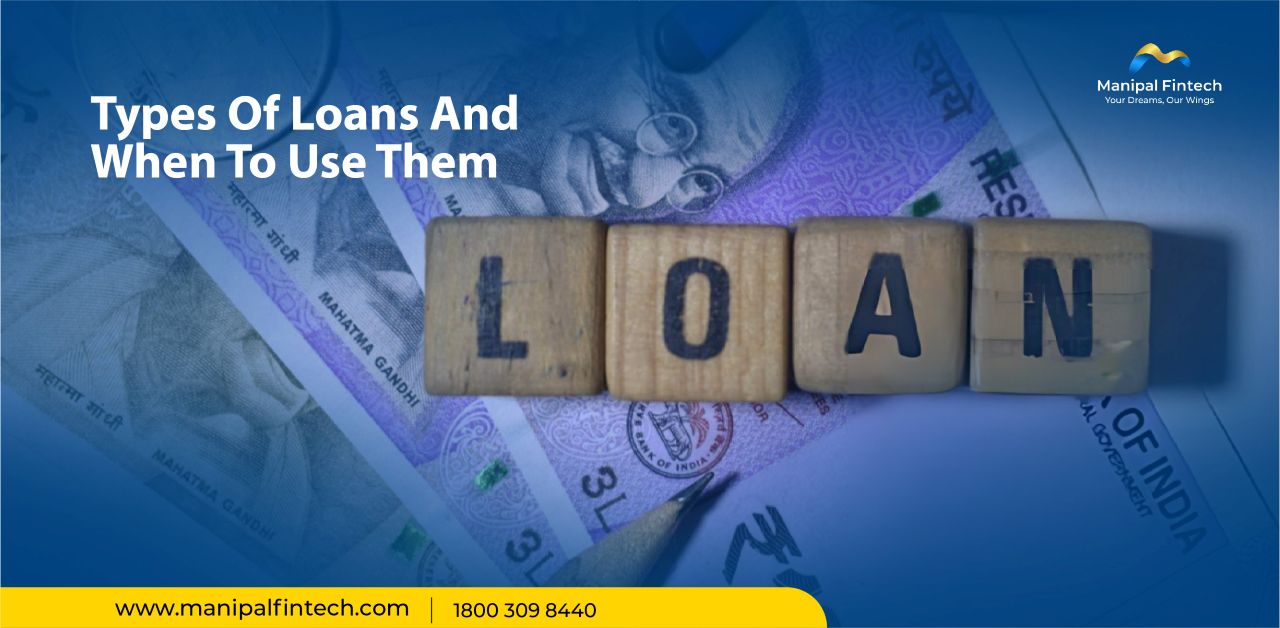
If you’ve ever searched “types of loans” or “what are the different types of loans,” you’ve probably seen long lists that feel like textbook pages. This guide keeps it simple – human, practical, and India-relevant, so you can match the loan to your situation, not the other way around.
First, the big split: Secured loan vs unsecured loans
Before we get into the different types of loans, understand one core idea. Almost every loan, falls into one of these two buckets:
Secured loan
A secured loan is backed by collateral – something the lender can take as security if you don’t repay. Examples include home loan, gold loan, and many business loan structures backed by property or assets. Because risk is lower for the lender, secured loans often come with lower interest rates.
Unsecured loans
Unsecured loans do not require collateral. The lender relies on your income, credit history, and repayment capacity. Examples include a personal loan and many student loans (depending on structure). They are easier to take quickly, but the interest rate is often higher than secured credit.
Start your own business with Manipal Gold Loan. Apply now and make your dream come true
This secured-and-unsecured lens makes it easier to decide.
Different types of loans and what they’re best for
1) Personal loan (unsecured)
A personal loan is often the “all-purpose” option – medical expense, travel, wedding costs, home repairs. It’s fast because you usually don’t pledge an asset.
But here’s the catch Rohit learned the hard way: speed is not the only metric. A personal loan can be convenient, but the cost can vary widely based on your profile.
If you’re searching for low interest personal loans, focus on:
- comparing total cost (interest + processing fees)
- checking if rates differ for salaried vs self-employed
- understanding prepayment or foreclosure charges
Best for: urgent personal needs when you have stable income and want fast approval.
2) Home loan (secured)
A home loan is for long-term goals. It’s usually lower-cost than most unsecured loans because the property is collateral, and the tenure is long.
It’s paperwork-heavy, yes. But it’s built for large amounts and predictable EMIs.
Best for: buying, constructing, or renovating a home with structured repayment over years.
3) Gold loan (secured)
A gold loan is the most “Indian” form of credit – because it’s built around an asset many families already have.
It’s often chosen in moments that need speed, but also dignity: school fees, hospital bills, business cash flow, seasonal needs. You pledge gold, get funds quickly, and take your jewellery back after repayment.
Best for: short-term liquidity needs when you want quick access without selling gold.
4) Business loan (secured or unsecured)
A business loan can look very different depending on the lender and the borrower. Some are unsecured (especially for strong cash-flow businesses). Many are secured – against property, equipment, or receivables.
This is where people often get confused between “business loan” and small business loans. In practice, “small business loans” usually refer to products designed for MSMEs – working capital, invoice funding, overdraft-style limits, or short-tenure loans.
Best for: working capital, expansion, inventory, or cash-cycle gaps.
5) Student loans (often structured, sometimes secured)
Student loans are designed around education timelines. Repayments may start after the course or after getting a job, depending on the lender and product terms.
Some student loans can involve a co-applicant and, in some cases, collateral for higher amounts. It’s important to understand the moratorium period and repayment schedule before signing.
Best for: funding education with planned, long-horizon repayment.
So, which one is right for you?
A simple way to decide is to match the loan type to three things:
1) Purpose
- Home purchase → home loan
- Emergency personal expense → personal loan or gold loan
- Business cash cycle → small business loans / business loan
- Education → student loans
2) Time
- Need money fast and for short-term → gold loan / personal loan
- Need long-term financing → home loan / education loan
3) Comfort with collateral
- If you can pledge an asset, secured loans may be cheaper
- If you cannot or do not want to pledge, unsecured loans are simpler but may cost more
The truth is, there are many different types of loans, but the best loan is not the most popular one. It’s the one that fits your purpose, timeline, and comfort level, without putting unnecessary pressure on your monthly life.
Borrowing is not a failure. It’s a tool.
Choose the right tool, and it works quietly in the background while you move forward.
If you own gold assets and are considering a loan, choosing doorstep services can provide you with a seamless and efficient borrowing experience.
Apply for a gold loan 24/7 on www.manipalfintech.com, or call at 18003098440